



- Article
How to Choose a Design Partner for a Marketplace Platform



We’ve built marketplace platforms that process $720M+. The same 10 questions come up every time. Here are the answers we wish someone had written down sooner.
Almost always trust. The user landed, looked around, saw a seller they don’t know and a process they don’t understand — and left silently. Running more ads to a platform with a trust gap doesn’t produce more transactions. It produces more data confirming the same problem. Look at your seller profiles — do they show verified identity, completed transactions, and response time, or just a name and a photo? Fix the trust layer first. Then run the ads.
They didn’t get their first transaction. Before that happens, the platform is an experiment. After it happens, it’s a business tool. Show sellers that demand exists before they transact — views, saves, inquiry signals. And audit whether your buyer and seller acquisition is balanced. You can’t design your way out of a liquidity problem. Read what our clients say about results like this on Clutch.
You can’t stop it by locking users in. You stop it by making the on-platform transaction more valuable than the off-platform alternative. Escrow. Dispute resolution. Transaction history. Verified reviews. If your platform doesn’t offer protection, you’re a discovery tool — not a marketplace. And discovery tools don’t capture the transaction.
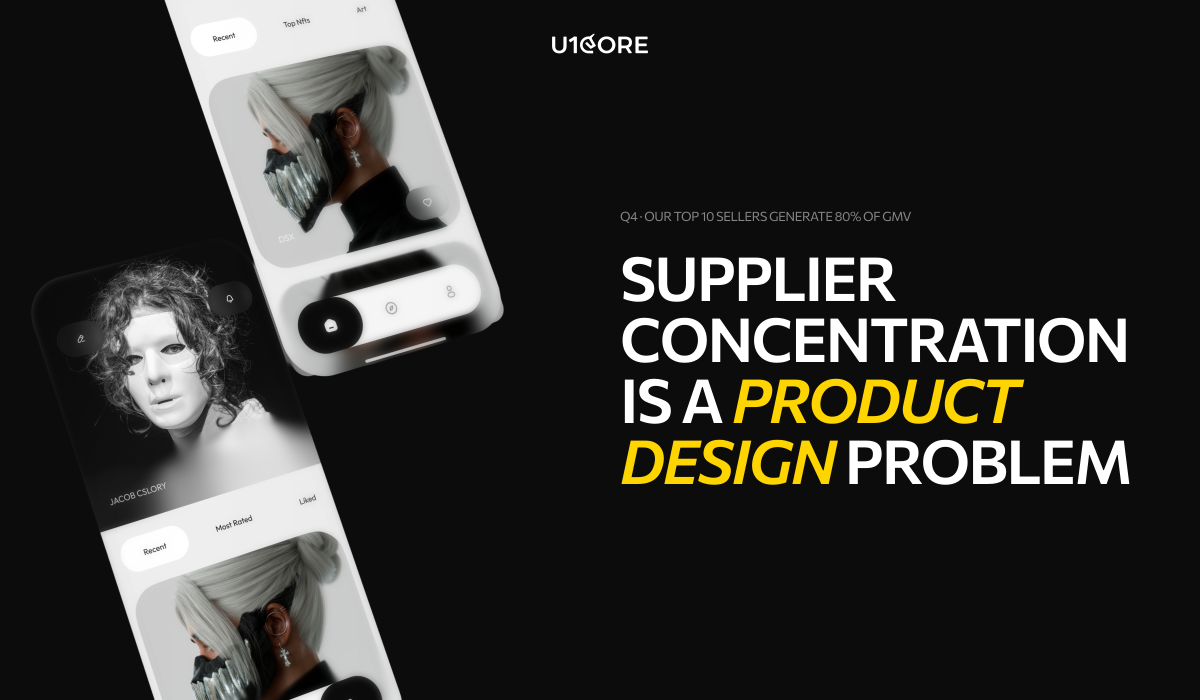
You designed for conversion, not distribution. Supplier concentration is almost always a product design problem. The platform made it too easy for power sellers to dominate search results and too hard for new sellers to get their first transaction. Redesign search to surface new sellers alongside established ones. Create a new seller onboarding track that actively drives early transactions. And audit your review system — if it compounds without adjustment, established sellers will always win. See our full portfolio on DesignRush.
Liquidity, not traffic. Most founders in this situation have users but not enough density in any one category or geography to create a reliable transaction loop. The fix is counter-intuitive: go smaller. Constrain the category. Constrain the geography. Create enough density in a small area to make transactions feel inevitable — then expand.
Acquire supply first in most cases. Buyers come when there’s something to buy. If you get it wrong — you’ll know fast. You’ll have sellers with no buyers, listings with no views, and a churn problem on the supply side within 30 days. There’s no universal answer. There is a right answer for your specific marketplace — and it’s worth a week of thinking before six months of building.
Ask about production specifically — not portfolio. Ask: “Walk me through the payment architecture on your last marketplace build. What edge cases did you design for? What broke anyway?” If the answer is confident and specific — they’ve been through it. If it pivots to the visual design — they haven’t. See what founders say about working with us on Sortlist.
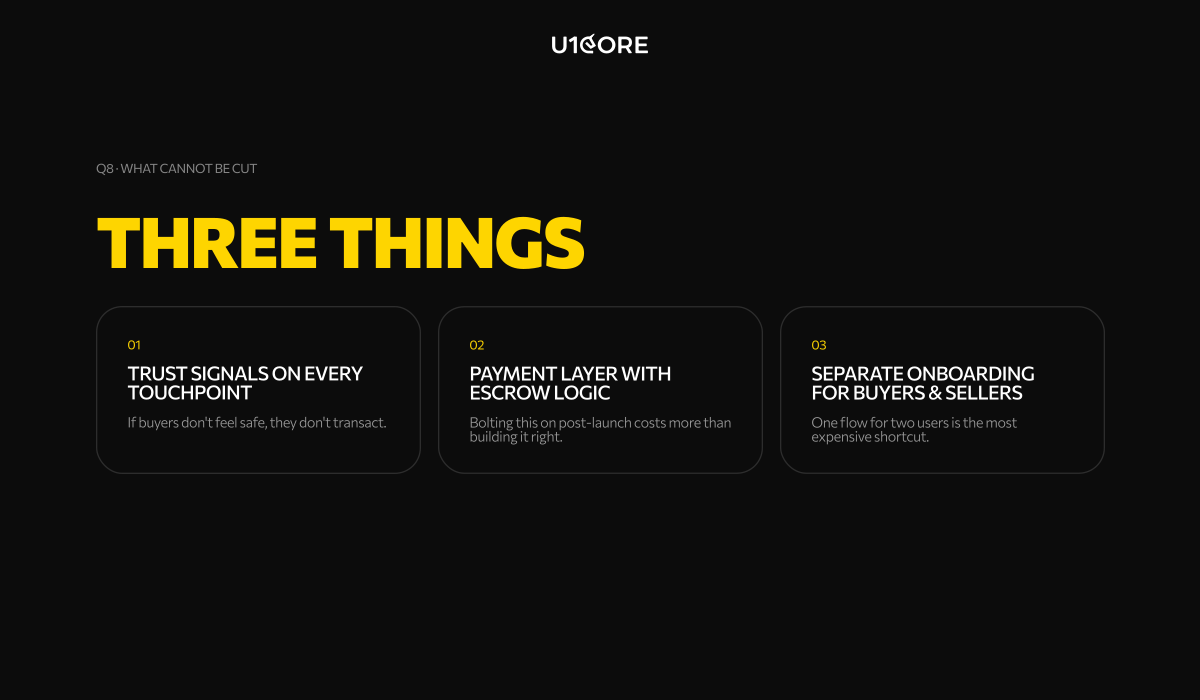
Three things. Trust signals on every transaction touchpoint — if buyers don’t feel safe, they don’t transact. A functional payment layer with basic escrow logic — bolting this on post-launch costs significantly more than building it right the first time. And separate onboarding flows for buyers and sellers — one flow for two completely different users is one of the most common and expensive shortcuts. Everything else can wait. Those three cannot.
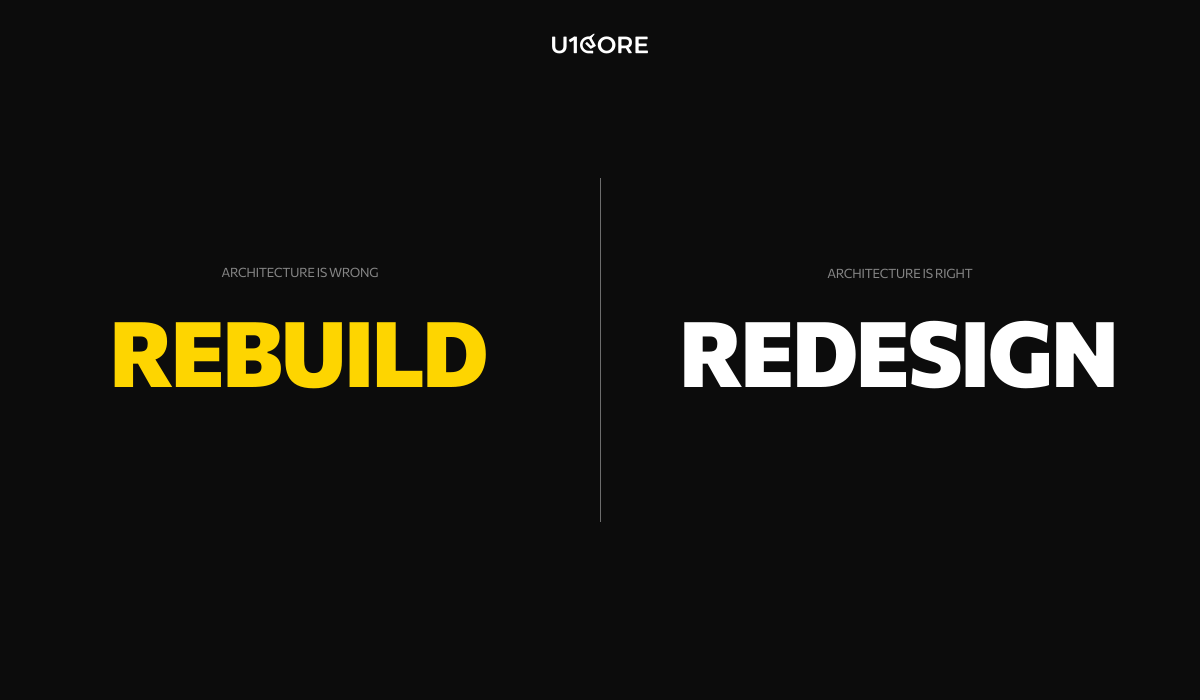
Rebuild when the architecture is wrong. Redesign when the architecture is right but the experience is poor. The signal for rebuild: your payment layer breaks under real volume, your trust system is manual and doesn’t scale, or your onboarding was designed for one user type and you have two. The signal for redesign: users understand the product but drop off at specific points. Most founders think they need a redesign when they actually need a rebuild. Browse our verified agency profile on GoodFirms.
Ask one question: “Tell me about the last cold-start problem you solved.” A team that has built real marketplaces will have a story — which side they acquired first, what didn’t work, what eventually created liquidity. A team that hasn’t will give you a framework. The cold-start problem doesn’t exist in single-sided products. It only reveals itself in marketplaces.
U1CORE designs and builds marketplace platforms — from MVP to scale. $720M+ processed through products we’ve built.

During this call we do a quick intro and discuss your project and its specific needs.
During this call we do a quick intro and discuss your project and its specific needs.

Book a free consultation with us, so we will frame your product vision and strategy.

We’ve received your request and our team is already reviewing it. We’ll get back to you as soon as possible to discuss how we can help you achieve your goals.
Looking forward to collaborating with you!

We’ve sent the download link to your email. Check your inbox (and spam folder just in case) to access the eBook.
We hope you find it valuable for your Web3 journey. If you have any questions or feedback, feel free to reach out!